
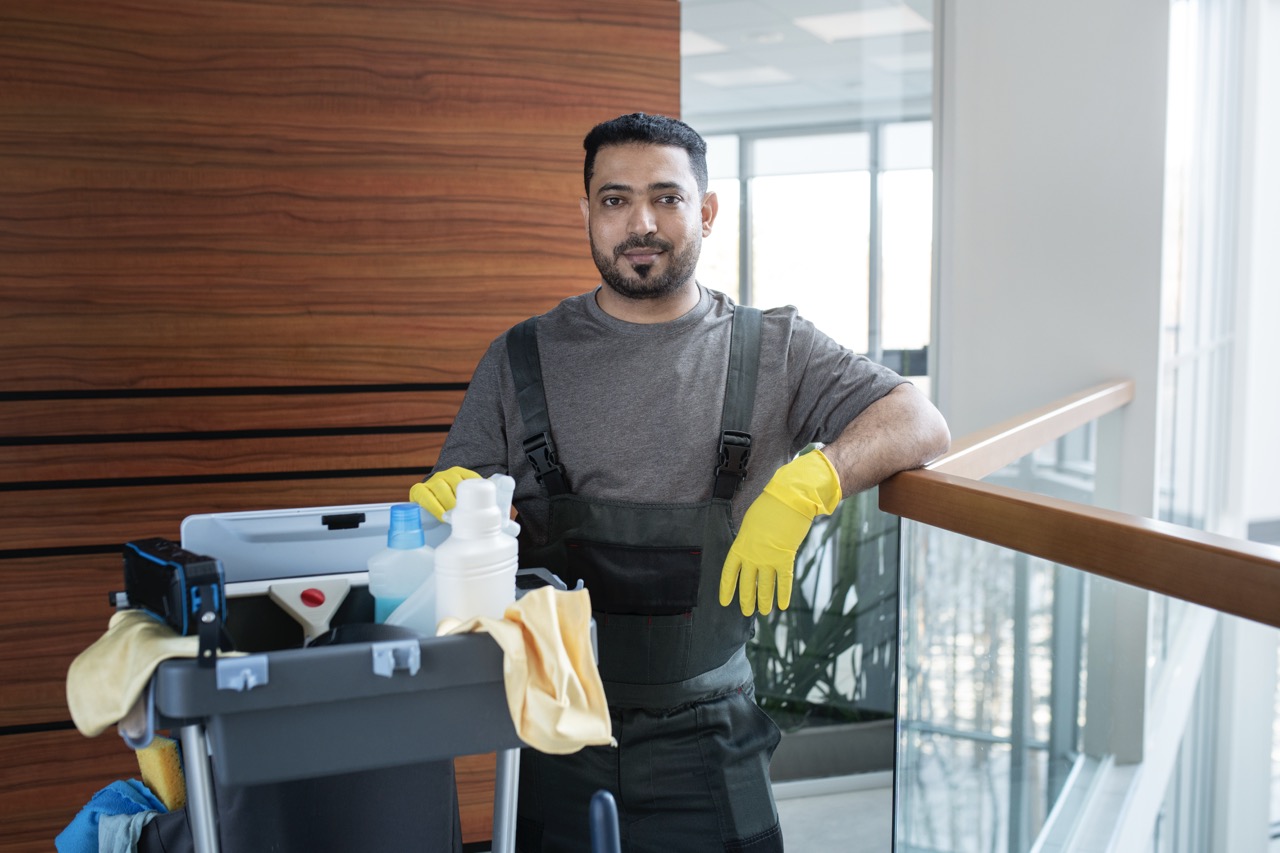
In the world of professional cleaning, the right tools make all the difference. Whether you are managing a luxury hotel or a busy corporate office, having the correct housekeeping material is the foundation of a healthy environment. This guide will walk you through every detail you need to know about Taski chemicals and the complete R1 to R9 system.
Quick Reference: R1 to R9 Chemical Use
If you are in a hurry, here is a quick summary of what each chemical does. Scroll down for detailed instructions on how to use each one properly.
Bathroom Cleaner
Daily bathroom sanitizer for washbasins, tiles, taps, and shower areas. Mild and safe for regular use.
Multi Purpose Cleaner
All purpose cleaner for floors, walls, doors, and laminated surfaces. Neutral pH, safe for most materials.
Glass Cleaner
Streak free glass and mirror cleaner. Works on windows, display cases, and chrome fixtures.
Furniture Polish
Wood care and furniture polish. Nourishes wood, creates protective layer, and gives professional shine.
Air Freshener
Professional odor neutralizer for rooms, corridors, and common areas. Long lasting fragrance.
Toilet Bowl Cleaner
Heavy duty acidic cleaner for toilet bowls and urinals. Removes tough stains and uric acid deposits.
Floor Degreaser
Heavy duty floor cleaner for kitchens. Cuts through grease and oil on ceramic and vinyl floors.
Descaler
Removes limescale and hard water deposits from kettles, coffee machines, and heating elements.
Strong Bathroom Cleaner
Extra strong cleaner for hard water areas. Removes rust marks, yellow stains, and mineral deposits.
What is Housekeeping Material?
Housekeeping material refers to all the supplies, equipment, and chemicals used to maintain cleanliness in commercial spaces. This includes mops, buckets, brushes, cloths, and most importantly, the chemical products that do the actual cleaning work.
The quality of your housekeeping material directly impacts how efficiently your team can work. Poor quality products mean your staff will spend more time scrubbing, use more product per task, and risk damaging the surfaces they are meant to protect. Good housekeeping material, on the other hand, cuts cleaning time in half and protects both your surfaces and your workers.
Understanding Taski Chemicals
When professionals talk about high quality cleaning, they often mention Taski chemicals. This brand, which originated from Europe, has set a global standard for how cleaning is done in the hospitality industry. Hotels like Marriott, Taj, and Hyatt train their housekeeping staff using the Taski system.
What makes Taski chemicals special is their color coding system. Each bottle has a distinct color, making it nearly impossible for staff to accidentally use the wrong product. This is crucial in preventing expensive mistakes like using acid on marble floors or polish on glass.
The R1 to R9 series is designed to cover every cleaning need in a facility. Each chemical is formulated for a specific purpose, and when used correctly, they deliver professional results that guests notice immediately.
The Complete R1 to R9 Chemical Use Guide
Let us now break down every single product in detail so you understand exactly when to use each one, how to dilute it, and what mistakes to avoid.
R1 Chemical Used For
Bathroom Cleaner & Sanitizer
What It Does
R1 is a daily use bathroom cleaner that also works as a sanitizer. It is specifically designed to clean washbasins, taps, shower areas, bathroom tiles, and countertops. The formula is mild enough for daily use but strong enough to remove soap scum, water spots, and light dirt.
How to Use It
You should dilute R1 at a ratio of 1:10, which means one part R1 to ten parts water. For a 500ml spray bottle, add 50ml of R1 and fill the rest with water. Spray the solution on the surface, let it sit for 30 seconds to break down dirt, then wipe with a clean microfiber cloth.
For heavily soiled areas like soap dishes or faucet bases, you can use R1 in a stronger concentration of 1:5. Always rinse thoroughly with water after cleaning to avoid any residue buildup.
Where to Use It
- ✓ Washbasins and sinks
- ✓ Bathroom tiles and walls
- ✓ Shower glass doors
- ✓ Taps and fittings
- ✓ Bathroom countertops
Important Tips
Never use R1 on marble or natural stone surfaces. The mild acidity can dull the finish over time. Also, make sure to use it in well ventilated areas. Although it is not harsh, prolonged exposure to any chemical cleaner should be avoided.
R2 Chemical Used For
Multi Purpose Hard Surface Cleaner
What It Does
R2 is the workhorse of your cleaning arsenal. It is a neutral pH cleaner that can be used on almost every hard surface in your facility. This includes floors, walls, doors, laminated furniture, painted surfaces, and even elevator interiors. It removes dust, fingerprints, light oils, and general dirt without leaving any sticky residue.
How to Use It
For mopping floors, dilute R2 at a ratio of 1:100, which means 100ml of R2 for every 10 liters of water. For spray and wipe cleaning of walls or surfaces, use a 1:20 dilution in a spray bottle. Apply the solution, wipe with a damp cloth, and then dry with a clean towel to prevent water marks.
When mopping, always use a two bucket system. One bucket has your R2 solution and the other has clean water for rinsing your mop. This prevents spreading dirt around and keeps your cleaning water fresher for longer.
Where to Use It
- ✓ Hotel room floors and walls
- ✓ Office lobby and reception areas
- ✓ Corridor walls and handrails
- ✓ Laminated furniture surfaces
- ✓ Door handles and light switches
- ✓ Elevator walls and buttons
Important Tips
R2 is safe for almost all surfaces, but avoid using it on untreated wood or porous natural stone. If you are unsure about a surface, always test on a small hidden area first. The neutral pH means it will not strip floor polish or damage paint.
R3 Chemical Used For
Glass & Mirror Cleaner
What It Does
R3 is specifically formulated for glass and reflective surfaces. It uses alcohol based solvents that evaporate quickly, which is why it leaves no streaks or water marks. This product is essential for maintaining a professional appearance in your facility, especially in high visibility areas like lobbies and conference rooms.
How to Use It
R3 can be used either diluted or undiluted depending on how dirty the glass is. For regular maintenance, dilute at 1:10 in a spray bottle. For heavily soiled windows or mirrors with sticky residue, use it undiluted for maximum power.
The secret to streak free glass is in your wiping technique. Spray the surface lightly, then wipe in a Z pattern using a microfiber cloth or a squeegee. For large windows, professionals use a squeegee with overlapping strokes from top to bottom. Wipe the squeegee blade after each stroke to prevent streaking.
Where to Use It
- ✓ Windows and glass doors
- ✓ Bathroom mirrors
- ✓ Glass partitions in offices
- ✓ Display cases and showcases
- ✓ Chrome and stainless steel fixtures
- ✓ Glass tabletops
Important Tips
Never clean glass in direct sunlight. The heat makes the solution dry too quickly, leaving streaks. Also, avoid using R3 on tinted glass or anti glare coatings without testing first. Use only microfiber cloths or squeegees. Paper towels and regular cloths leave lint behind.
R4 Chemical Used For
Furniture Polish & Wood Care
What It Does
R4 is a furniture polish designed to clean, protect, and shine wooden furniture. It contains natural oils and waxes that nourish the wood while creating a protective barrier against dust and fingerprints. Regular use of R4 helps maintain the natural beauty of wood and prevents it from drying out or cracking.
How to Use It
R4 is ready to use and does not need dilution. Spray a small amount directly onto a soft cloth, not onto the furniture. Then wipe the wooden surface in the direction of the wood grain. This prevents scratches and ensures an even shine. Use circular motions for stubborn marks, but always finish by wiping along the grain.
For best results, first dust the furniture with a dry cloth to remove loose dirt. Then apply R4. A little goes a long way. Too much product will leave a greasy film that attracts dust. For high end furniture, apply R4 once a week to maintain the finish.
Where to Use It
- ✓ Wooden tables and desks
- ✓ Wooden chairs and benches
- ✓ Cabinets and wardrobes
- ✓ Wooden door frames
- ✓ Reception counters and podiums
- ✓ Wood paneling and decorative wood
Important Tips
Do not use R4 on unfinished or raw wood. It is only for treated, varnished, or polished wood surfaces. Avoid using it on laminate furniture that looks like wood. For laminates, use R2 instead. Never spray R4 directly onto the furniture as it can seep into joints and cause damage over time.
R5 Chemical Used For
Air Freshener & Odor Neutralizer
What It Does
R5 is a professional grade air freshener that does more than just mask odors. It contains odor neutralizing compounds that actually break down the molecules causing bad smells. This makes it far more effective than standard room sprays. The fragrance is designed to be pleasant but not overpowering, creating a welcoming atmosphere for guests and staff.
How to Use It
R5 can be used in two ways. For immediate freshening, use it undiluted in a spray bottle. Hold the bottle 20 to 30 cm away from the center of the room and spray 2 to 3 times. Avoid spraying directly on fabrics or upholstery as it may leave marks.
For automatic dispensers, you can dilute R5 at 1:5 with water to make it last longer. Place dispensers in corridors, restrooms, and common areas. Set them to spray every 15 to 20 minutes for continuous freshness. For problem areas like smoking rooms or kitchens, use R5 undiluted after cleaning.
Where to Use It
- ✓ Hotel rooms after cleaning
- ✓ Corridors and hallways
- ✓ Restrooms and washrooms
- ✓ Conference rooms before meetings
- ✓ Lobbies and reception areas
- ✓ Staff pantries and break rooms
Important Tips
Air freshener should never be a substitute for proper cleaning and ventilation. Always clean the source of odors first. R5 works best in clean, well ventilated spaces. Never spray R5 near food preparation areas or directly on food surfaces. Store it away from direct sunlight and heat sources.
R6 Chemical Used For
Heavy Duty Toilet Bowl Cleaner
What It Does
R6 is a thick, acidic toilet bowl cleaner specifically designed to tackle the toughest bathroom cleaning challenges. It removes uric acid stains, limescale, rust marks, and organic deposits from toilet bowls. The thick formula clings to vertical surfaces inside the bowl, giving it more contact time to dissolve stubborn stains.
How to Use It
R6 is used undiluted for maximum effectiveness. First, flush the toilet to wet the surface. Then squeeze R6 under the rim of the toilet bowl, making sure to coat the entire interior surface including under the waterline. Let it sit for 10 to 15 minutes to allow the acid to work on the stains.
After waiting, scrub the bowl with a toilet brush, paying special attention to stained areas and under the rim. Finally, flush to rinse away the cleaner and dissolved dirt. For extremely tough stains, you may need to repeat the process or let R6 sit for up to 30 minutes before scrubbing.
Where to Use It
- ✓ Toilet bowls (inside only)
- ✓ Urinals
- ✓ Squat toilets
Important Safety Warnings
R6 contains acid and must be handled with care. Always wear rubber gloves when using it. Never mix R6 with bleach or any other cleaning product as this can create dangerous fumes. Keep R6 strictly for toilet bowls only. Do not use it on any other bathroom surfaces like tiles, taps, or the exterior of the toilet. The acid can damage metal and enamel finishes.
Ensure good ventilation when using R6. The fumes can be strong, especially in small bathrooms. Keep the door open or turn on the exhaust fan. Never leave R6 unattended around children or untrained staff.
R7 Chemical Used For
Heavy Duty Floor Cleaner & Degreaser
What It Does
R7 is an alkaline based cleaner with powerful degreasing properties. It is specifically designed for floors that have heavy oil, grease, or food residue buildup. This makes it perfect for commercial kitchens, restaurants, food courts, and any area where cooking or food preparation happens. Unlike R2 which is for general cleaning, R7 cuts through stubborn grease that regular cleaners cannot handle.
How to Use It
For regular mopping of kitchen floors, dilute R7 at a ratio of 1:50, which means 200ml of R7 for every 10 liters of water. For heavily soiled floors with thick grease buildup, you can use a stronger concentration of 1:20. Apply the solution to the floor and let it sit for 5 minutes before scrubbing.
For best results, use hot water when diluting R7. Hot water enhances the degreasing action and helps break down oil faster. Mop the floor thoroughly, scrubbing stubborn spots with a deck brush if needed. Rinse with clean water to remove all residue. This is important because R7 can leave a slippery film if not rinsed properly.
Where to Use It
- ✓ Commercial kitchen floors
- ✓ Restaurant dining area floors
- ✓ Food court and canteen floors
- ✓ Behind cooking stations and stoves
- ✓ Loading dock areas
- ✓ Service corridors in hotels
Important Tips
R7 is alkaline and should not be used on acid sensitive surfaces like marble, terrazzo, or natural stone floors. It is safe for ceramic tiles, vinyl, and sealed concrete. Always test on a small area first if you are unsure. Wear gloves when handling concentrated R7 as it can be harsh on skin with prolonged contact.
R8 Chemical Used For
Descaler for Hard Water & Limescale
What It Does
R8 is a specialized descaling agent designed to remove mineral deposits, limescale, and hard water stains from equipment and fixtures. When water evaporates, it leaves behind minerals like calcium and magnesium. Over time, these build up into a hard white or yellowish crust that regular cleaners cannot remove. R8 dissolves these deposits using a controlled acid formula that is safe for metal surfaces.
How to Use It
For descaling kettles and coffee machines, mix R8 with water at a ratio of 1:10. Pour the solution into the appliance and let it sit for 30 minutes to 1 hour depending on the severity of the scaling. Then run a cleaning cycle or boil the solution. After descaling, rinse thoroughly at least 3 times with clean water to remove all traces of the acid.
For shower heads and faucets with limescale buildup, you can apply R8 undiluted. Soak a cloth in R8 and wrap it around the affected fixture. Leave it for 15 to 20 minutes, then scrub with a soft brush and rinse well. For heating elements and boilers, follow the manufacturer's instructions for the correct dilution ratio.
Where to Use It
- ✓ Electric kettles and water heaters
- ✓ Coffee machines and espresso makers
- ✓ Shower heads and faucets
- ✓ Steam irons and garment steamers
- ✓ Dishwasher heating elements
- ✓ Hot water pipes and boilers
Important Safety Tips
R8 contains acid, so always wear gloves when handling it. Never use R8 on aluminum as the acid will react with the metal and cause damage. It is safe for stainless steel, copper, and most plastics, but always check the equipment manual first. After using R8 in any appliance that touches food or drinks, rinse multiple times to ensure no chemical residue remains.
R9 Chemical Used For
Extra Strong Bathroom Cleaner
What It Does
R9 is the strongest bathroom cleaner in the Taski range. It is specifically designed for areas with extremely hard water where regular bathroom cleaners like R1 are not effective. R9 removes the toughest stains including rust marks, yellow hard water deposits, soap scum buildup, and mineral stains on bathroom tiles and fittings. This product is particularly useful in India where many regions have very hard water.
How to Use It
For regular cleaning, dilute R9 at a ratio of 1:10 with water in a spray bottle. Spray on the affected area and let it sit for 2 to 3 minutes to allow the acid to dissolve the stains. Then scrub with a brush or scouring pad and rinse thoroughly with clean water. For severe staining, you can use R9 undiluted on the specific stain, but never leave it on the surface for more than 5 minutes.
When cleaning large bathroom areas, start from the top and work your way down. Apply R9 to walls and tiles first, then the bathtub or shower area, and finally the floor. This allows the chemical to drip down and clean multiple surfaces. Always rinse thoroughly because any remaining acid will attract dirt and make surfaces look dull.
Where to Use It
- ✓ Bathroom tiles and grout
- ✓ Shower walls and bathtubs
- ✓ Ceramic washbasins
- ✓ Stainless steel drains
- ✓ Chrome fixtures (with caution)
- ✓ Toilet exteriors (not the bowl)
Critical Safety Warnings
R9 is a strong acid and must be treated with respect. Always wear rubber gloves and safety goggles when using it. Work in a well ventilated area and never mix R9 with any other chemical, especially bleach or ammonia based products. The reaction can release toxic chlorine gas.
Never use R9 on marble, granite, or any natural stone surfaces. The acid will permanently etch and damage the surface. Do not use it on colored grout as it may cause fading. Keep R9 away from skin and eyes. If contact occurs, rinse immediately with plenty of water and seek medical attention if irritation persists.
Complete Housekeeping Chemicals Name Summary
Understanding the complete R1 to R9 chemical use system is what separates a professional housekeeping team from an amateur one. Each chemical in the Taski range is scientifically formulated for a specific purpose. Using the wrong product not only wastes time and money but can also cause permanent damage to expensive surfaces.
When you invest in quality housekeeping material and train your staff properly, you reduce cleaning time, protect your assets, and create a healthier environment for everyone. The color coding system makes it easy to identify each product at a glance, reducing mistakes and improving efficiency.